
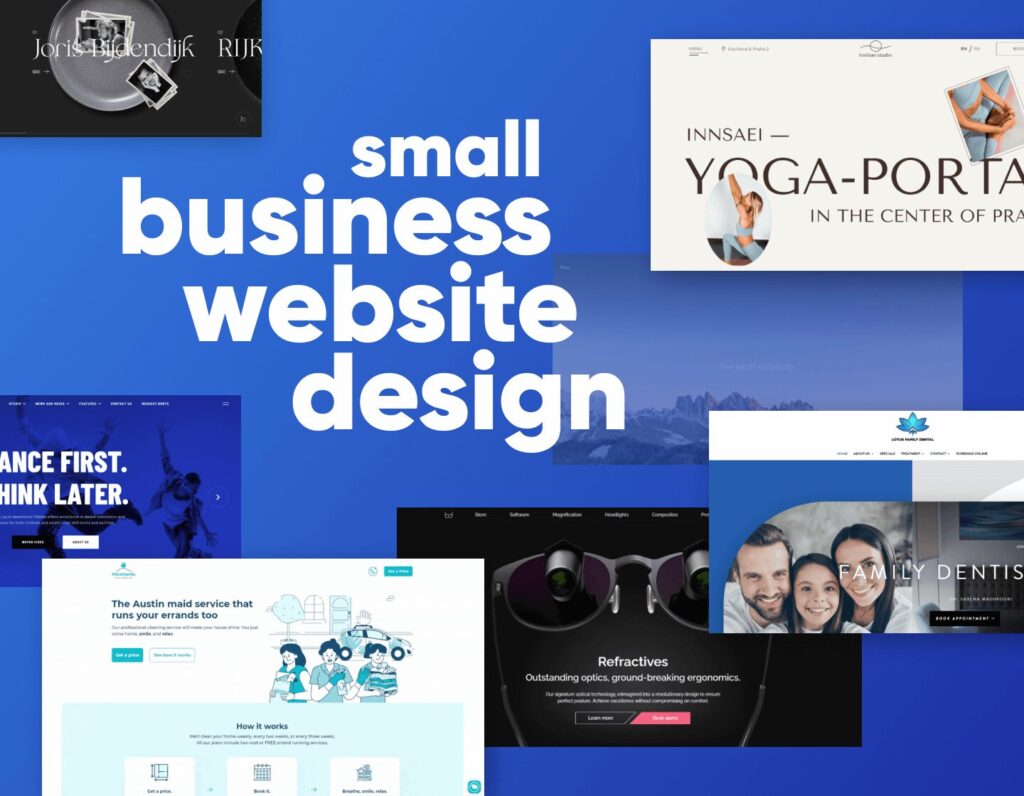
For small businesses in Atlanta, a website isn’t just an online presence—it’s a lead-generation engine. A high-converting website can increase inquiries, sales, and trust while establishing your brand as a professional local business.
As a professional web designer with over 10 years of experience creating websites for Atlanta and Metro Atlanta small businesses, I’ve helped businesses turn their websites into powerful growth tools.
This guide covers actionable steps and design strategies to build a website that converts visitors into customers.
Why Conversion-Focused Website Design Matters
Many small business owners make the mistake of focusing only on aesthetics. While an attractive website is important, conversion-focused design is what drives growth.
A high-converting website in Atlanta should:
- Communicate your value clearly
- Build credibility and trust with visitors
- Guide users to take action
- Improve local search visibility
When your website is designed strategically, it doesn’t just look good—it works for your business.
Step 1: Define Your Goals Before Designing
Before you start designing, clarify your business goals.
Ask yourself:
- Do you want more phone calls, emails, or bookings?
- Which services are your priority?
- Who is your target audience in Atlanta or surrounding areas?
Design and content should align with these goals, so every element serves a purpose.
Step 2: Design a Clear, Impactful Homepage
Your homepage is often the first impression. Make it count.
Key Tips:
- Headline: Clearly state what you offer
- Supporting text: Explain your value proposition
- CTA: Include one primary call-to-action like “Request a Free Consultation”
- Visuals: Use high-quality, relevant images (local references if possible)
For example, an Atlanta-based landscaping company might use:
“Transform Your Yard Into a Masterpiece – Serving Metro Atlanta Homeowners”
CTA: “Book a Free Consultation Today”
Step 3: Mobile-First Design
Google prioritizes mobile-first indexing, and most users browse on mobile devices.
Mobile Design Tips:
- Click-to-call buttons for local businesses
- Simplified navigation
- Fast-loading images and layouts
- Visible CTAs above the fold
Mobile-first design ensures Atlanta customers can quickly contact or book your service.
Step 4: Build Trust With Your Visitors
Trust is a key factor in conversion. Your website should immediately communicate credibility.
Trust-building elements:
- Google reviews and testimonials
- Client logos or case studies
- Awards and certifications
- Real photos of your team or office
- Local references (Atlanta landmarks, community involvement)
Step 5: Optimize Navigation and User Flow
Visitors should find information without frustration.
Navigation tips for high conversions:
- Keep 5–7 menu items
- Logical grouping: Services → Proof → Contact
- Sticky contact button on mobile
- Internal links to related services or blog posts
This reduces bounce rates and keeps users on your site longer.
Step 6: Conversion-Oriented Layouts
Your layout should guide visitors naturally to take action.
Effective layouts:
- Z-pattern: guides eyes in a natural flow across the page
- F-pattern: great for content-heavy pages
- CTA placement: make sure buttons are visible and stand out
Atlanta small businesses often see better results when CTAs are clear and repeated strategically.
Step 7: Use White Space Strategically
Cluttered pages reduce focus and hurt conversions. White space improves readability and highlights key elements.
Tips:
- Separate sections with spacing
- Highlight CTAs with surrounding empty space
- Keep images and text balanced
A clean design keeps visitors focused and drives them toward action.
Step 8: Implement Local SEO
High-converting websites also need visibility in Google searches, especially for local businesses.
Local SEO tips for Atlanta:
- Include “Atlanta” or “Metro Atlanta” in headings and content
- Create service-area landing pages
- Embed Google Maps on contact pages
- Encourage local reviews
Local SEO helps your website attract qualified leads from nearby customers.
Step 9: Test and Optimize Continuously
Even after launch, a website should evolve based on data.
Testing ideas:
- A/B test headlines and CTA buttons
- Monitor page speed and bounce rates
- Use heatmaps to track clicks and scrolling
- Adjust layouts or content based on engagement
Continuous optimization increases conversions over time.
Step 10: Partner With a Professional Web Designer
While DIY platforms are convenient, professional web designers bring expertise in:
- Conversion-focused layouts
- Mobile-first design
- SEO-friendly coding
- Branding and UX strategies
- Ongoing optimization and support
For small businesses in Atlanta, a custom-designed website can pay for itself in new leads and customers.
Conclusion: Build a Website That Works for You
A website should do more than look nice—it should generate leads, build trust, and grow your business. By following these steps, small businesses in Atlanta can create high-converting websites that deliver measurable results.
Ready to Build Your High-Converting Website?
At Ricka Websites and Logos, we specialize in creating custom websites that increase leads and revenue for Atlanta small businesses.
Contact us today for a free consultation and discover how a professionally designed website can help your business thrive online.
👉 Get Started Today
- Phone: 786-444-9158
- Email: Contact@rickawebsitesandlogos.com