
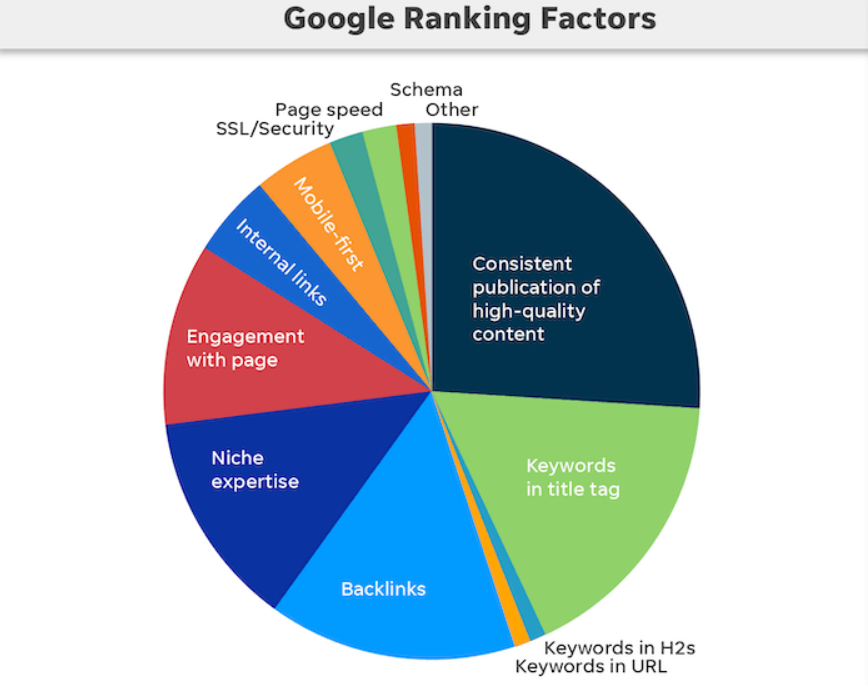
For small businesses in Atlanta, having a website isn’t enough. To attract traffic, generate leads, and grow your business, your website content must be optimized for Google.
Content optimization ensures your pages rank higher in search results, appeal to local audiences, and convert visitors into customers. This guide covers actionable strategies for optimizing your website content to improve Google rankings.
1. Perform Keyword Research
Keywords are the foundation of content optimization.
Tips for Atlanta businesses:
- Identify primary and secondary keywords for each page
- Use local keywords, e.g., “Atlanta web design” or “small business marketing Atlanta”
- Include long-tail keywords for specific services, e.g., “affordable e-commerce website design in Atlanta”
Targeted keywords help Google understand your content and match it with user searches.
2. Optimize Titles and Headings
Titles and headings guide both users and search engines.
Best practices:
- Include your main keyword in the page title (H1)
- Use H2 and H3 headings for structure
- Keep headings clear and descriptive
Proper headings improve readability and SEO.
3. Write High-Quality, Engaging Content
Google favors content that answers questions, solves problems, and keeps users engaged.
Tips:
- Write in-depth content (1,200–1,500 words for blog posts)
- Use bullet points, numbered lists, and images to break up text
- Include examples, case studies, or statistics
High-quality content increases dwell time and rankings.
4. Use Internal and External Links
Linking strengthens your website’s authority and user experience.
Tips:
- Add internal links to related pages on your site
- Use external links to authoritative sources for reference
- Avoid broken links
Proper linking helps Google crawl your site and improves SEO value.
5. Optimize Meta Titles and Descriptions
Meta tags influence click-through rates (CTR) in search results.
Tips:
- Include keywords in meta titles and descriptions
- Keep titles under 60 characters, descriptions under 160
- Make descriptions compelling to encourage clicks
Well-optimized meta tags boost organic traffic.
6. Include Image Optimization
Images improve engagement but must be optimized for SEO.
Tips:
- Use descriptive file names with keywords
- Add ALT text for accessibility and SEO
- Compress images to reduce page load time
Optimized images enhance user experience and help your pages rank.
7. Focus on Local SEO Signals
For Atlanta businesses, including local information boosts relevance.
Tips:
- Mention Atlanta neighborhoods or landmarks in content
- Include your business NAP (Name, Address, Phone) on pages
- Embed a Google Map on your contact page
Local optimization increases your chances of ranking for nearby searches.
8. Keep Content Updated
Google favors fresh, up-to-date content.
Tips:
- Review and refresh older blog posts
- Update service pages with current information
- Add new statistics, case studies, or testimonials
Updated content maintains your website’s authority and ranking.
9. Monitor Performance with Analytics
Optimization is ongoing. Use data to improve content.
Tools:
- Google Analytics to track traffic and engagement
- Google Search Console to monitor keyword performance
- Heatmaps to see user behavior
Analyzing data helps Atlanta businesses refine content and increase conversions.
Conclusion: Optimized Content Drives Traffic and Revenue
Optimizing your website content is essential for higher Google rankings, increased traffic, and more leads. For Atlanta small businesses, combining keyword strategy, quality content, internal linking, and local SEO ensures your website stands out and converts visitors into customers.
Ready to Optimize Your Atlanta Business Website Content?
At Ricka Websites and Logos, we specialize in SEO-optimized content and website design for small businesses in Atlanta.
Contact us today for a free consultation and see how content optimization can help your website rank higher and grow your business.
👉 Get Started Today
- Phone: 786-444-9158
- Email: Contact@rickawebsitesandlogos.com